
Our story and vision
Why this territory exists — and where we are going.
How Los Loros began
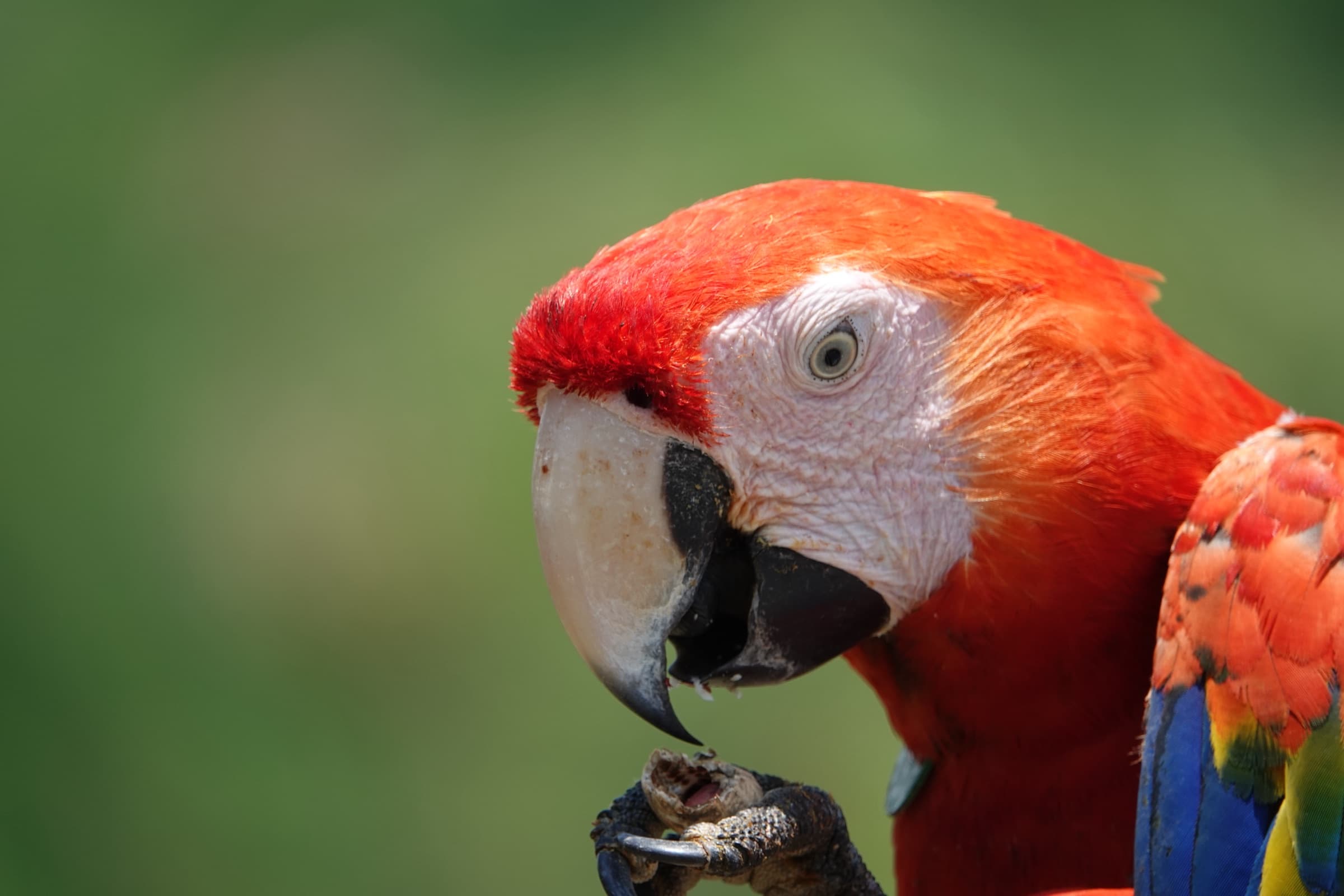
Los Loros was born from a concrete need: to give a second chance to parrots and macaws rescued from illegal trafficking and captivity. Fundación Loros had been rehabilitating them for years — but the forest to return them to was missing.
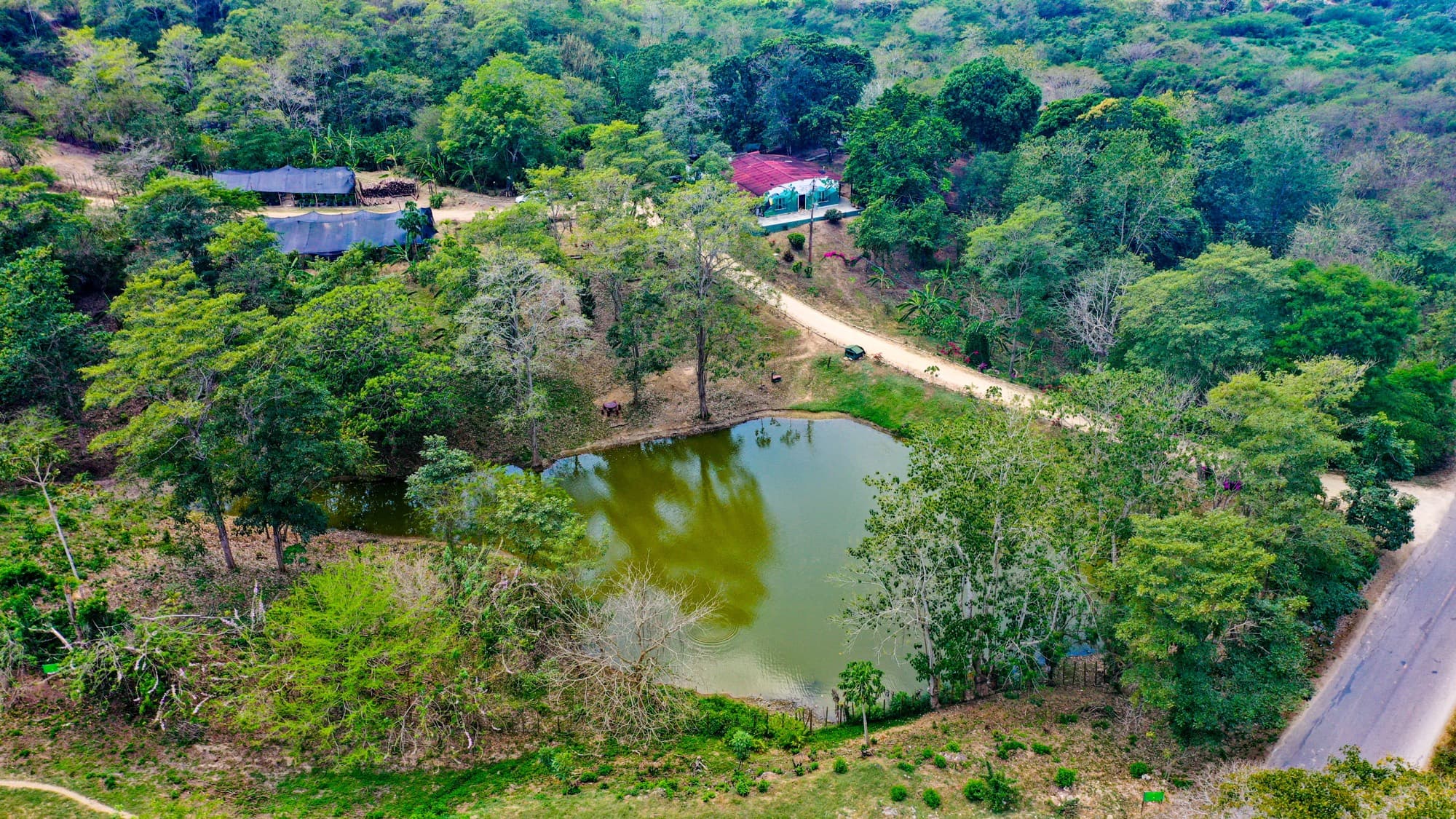
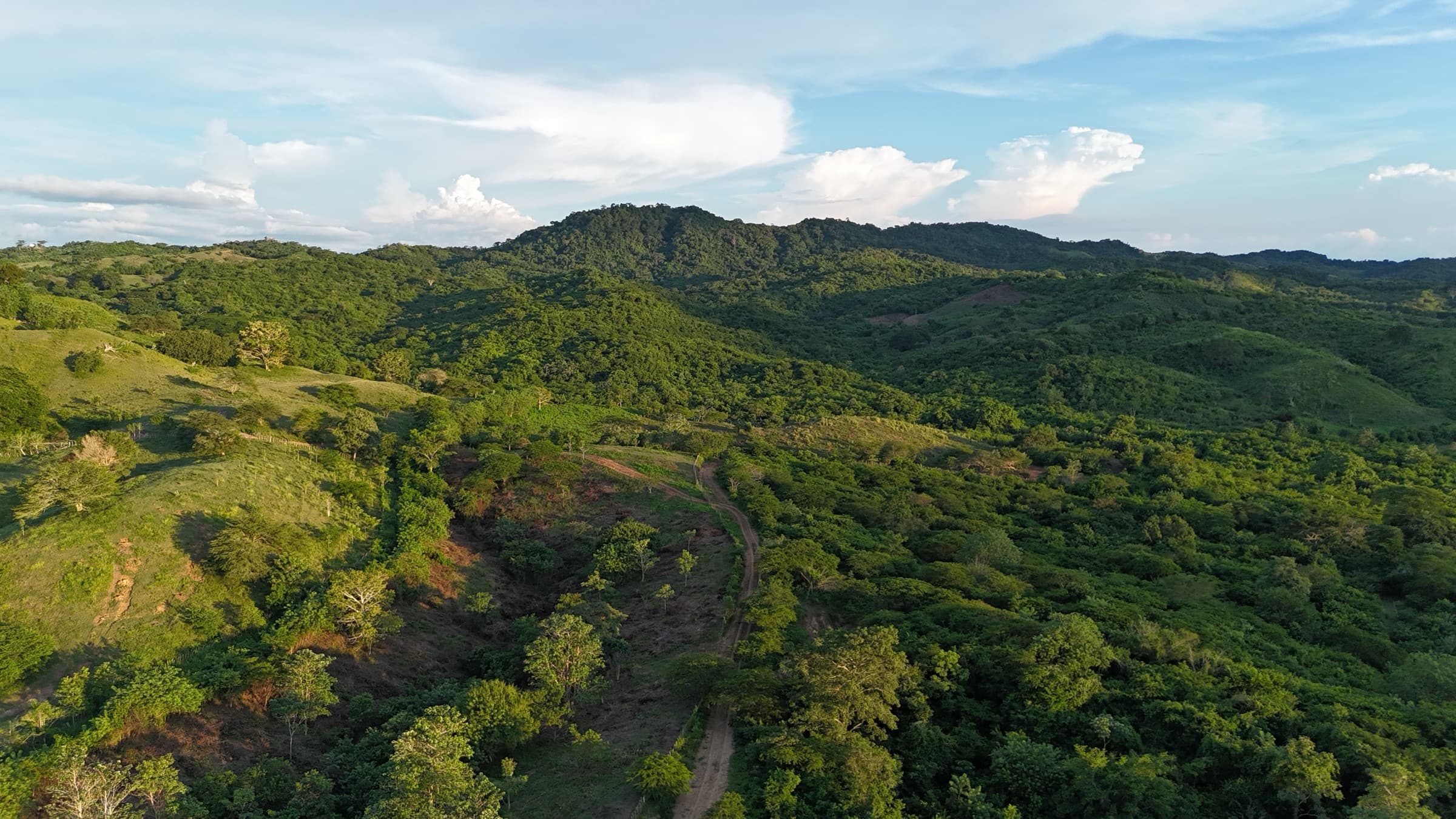
That is how this territory emerged: 520 hectares around Cerro El Peligro, dedicated to conservation, restoration, and a human community that chooses to care for it. We live here, we work here, and from here we set them free.
The proof
The ones that already returned
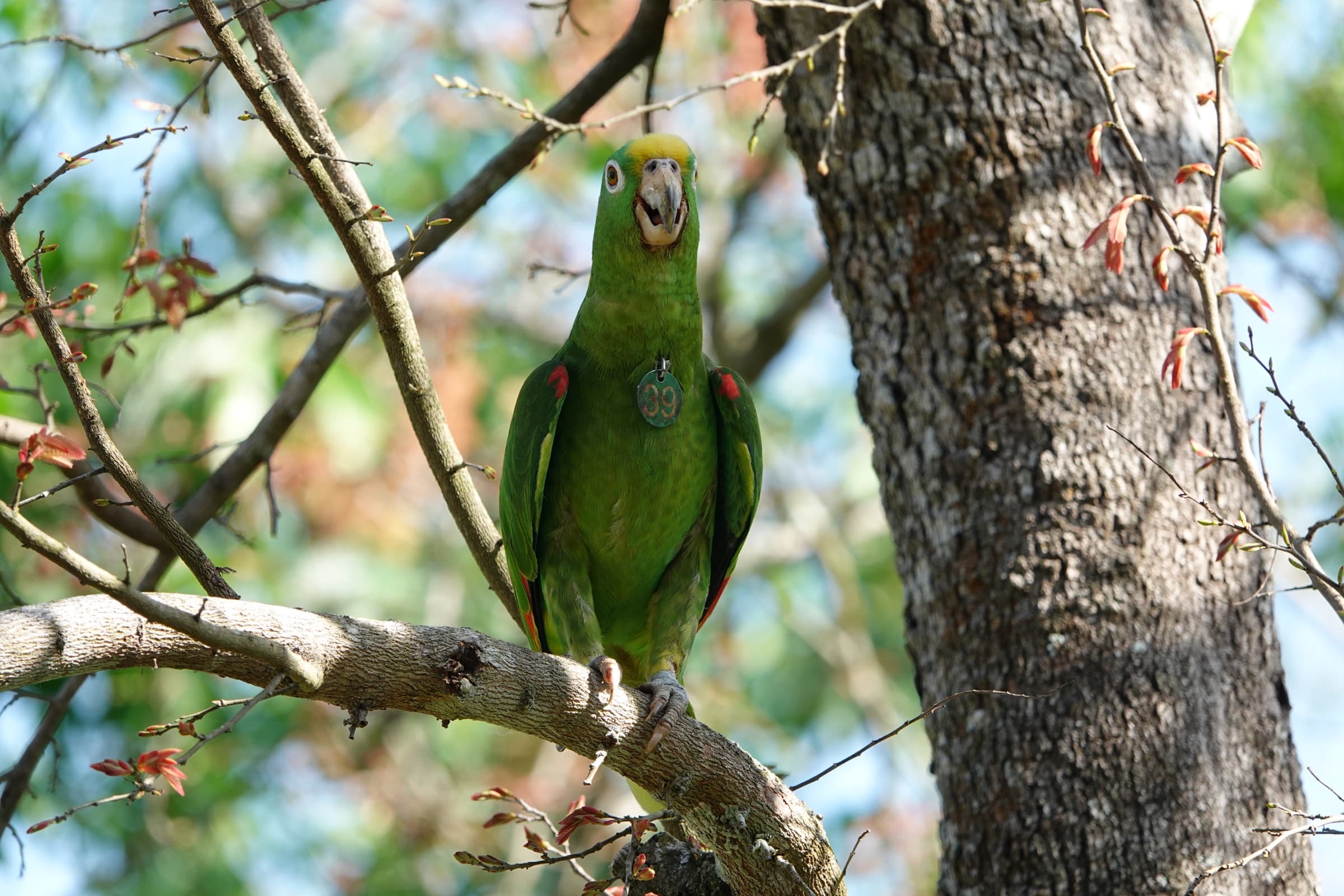
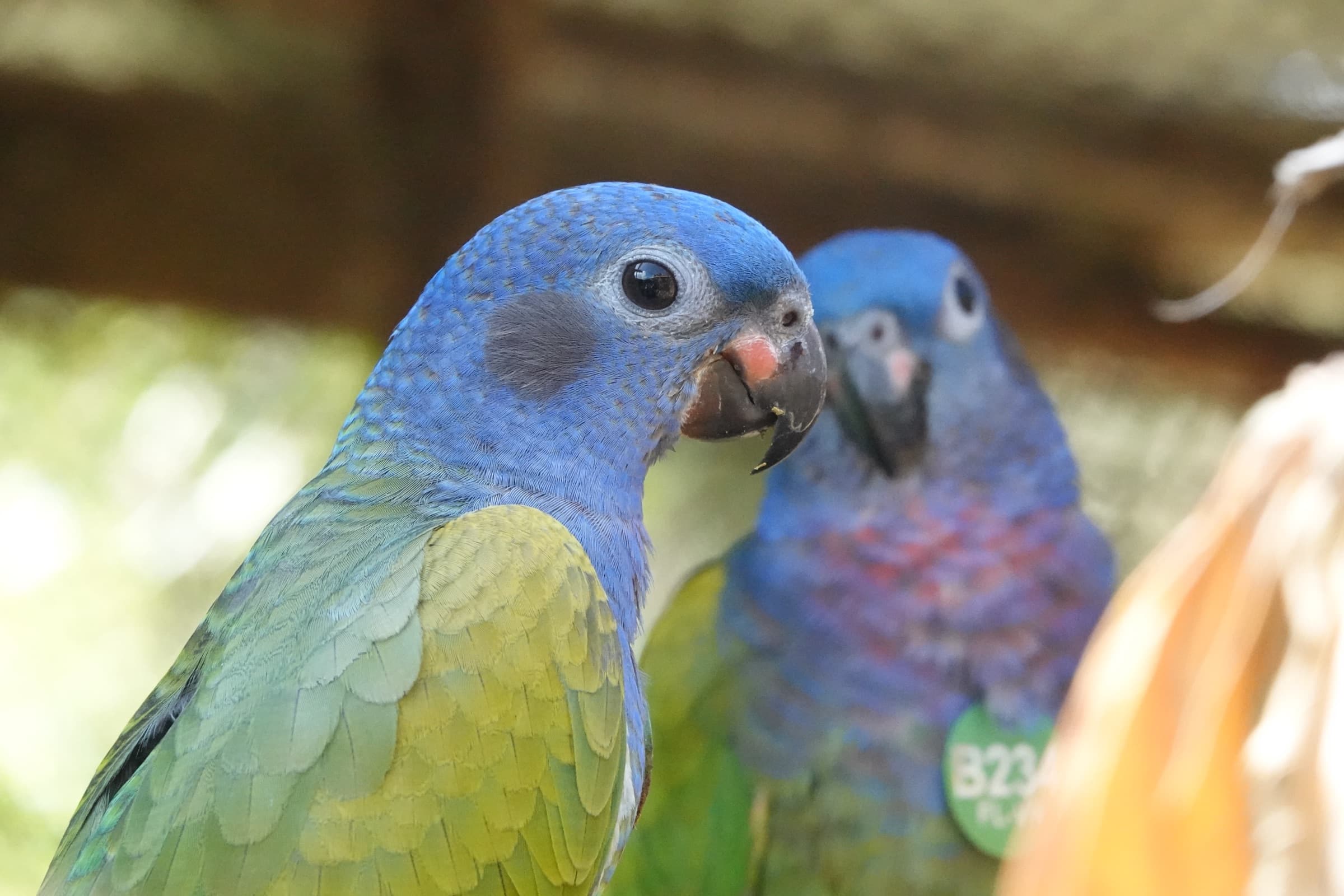
Every parrot and macaw we rehabilitate carries a tag. When they return to the wild, we can track them — and recognize them when they come back to the tree they left behind.
Our vision
Los Loros aims to become the most recognized nature destination in the Colombian Caribbean.
It will be a destination where every visit is restoration, every investment is conservation, and a human community accompanies the wildlife that already inhabits the forest. A living ecosystem that every visitor leaves a little better than they found it.
Where we are going
Around Cerro El Peligro extend the project''s concentric rings. Every year the forest comes back a little more — and with it, the wildlife that used to live there.
That is the bet: that there will be more parrots and macaws in the sky of Bolívar each year, and more people who understand why it matters that they return.
Come see the project
A guided visit through the reserve is the best way to understand the story and the vision in person.